
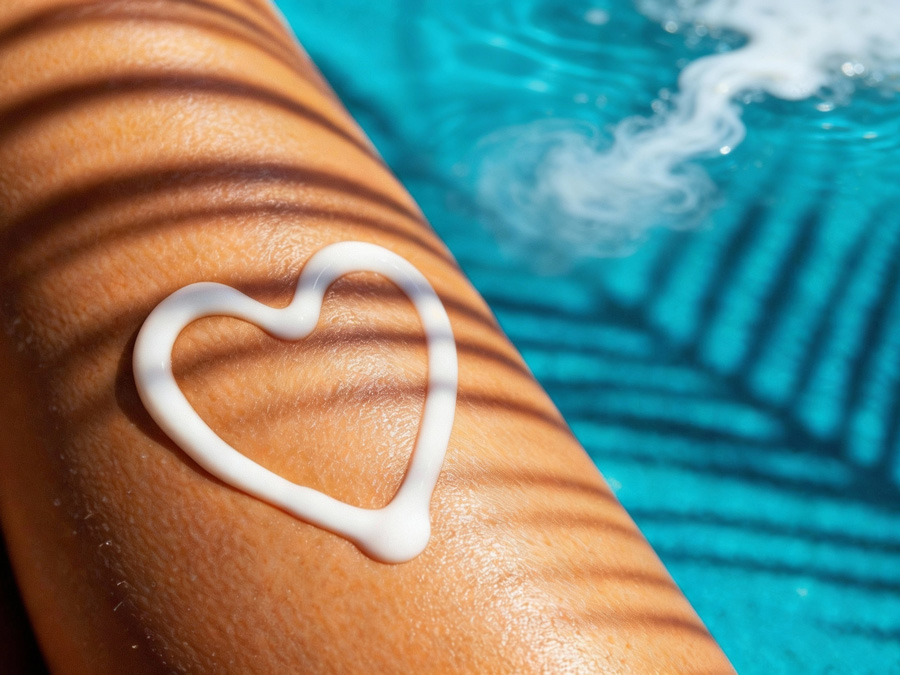
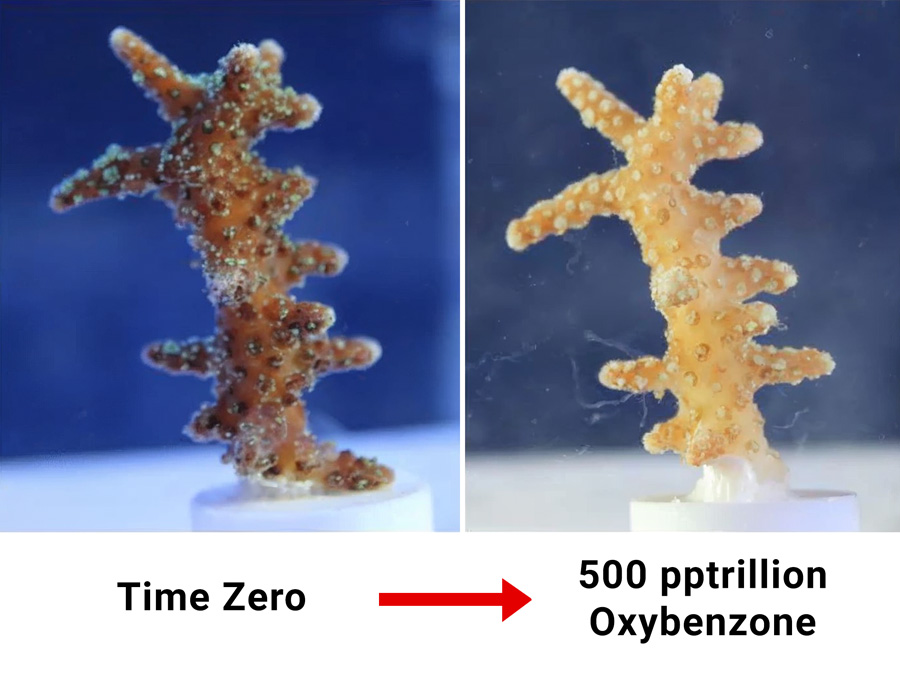
Masha krema pa skur tin kimikunan manera oxybenzone, octinoxate i otro ku ta yuda bloké radiashon UV, pero e mes kimikunan ta konektá ku daño serio na nos koralnan. Incluso kantidat chikí di e ingrediëntnan aki den awa di laman por kousa coral bleaching, daño na DNA i interrumpshon den reprodukshon di organismo di koral. E tema aki ta hopi importante pa Kòrsou, kaminda nos koralnan ta vital pa red di alimentashon marino i pa bida ekonomiko basá riba turismu.
Movimiento Global pa Protehá Koralnan
Rond di mundu, destinashon ku ta depende riba koral saludable ta tuma akshon. Den 2018, Konselho Insular di Boneiru a aproba un motshon pa prohibí krema ku kimikunan ku dañá koral, ku prohibishon di benta i uzo a tuma efékto promé di 1 di yanüari 2021 pa protehá nan koral. E mes kos a tuma den Hawaii i Palau, ku ta stablesé un precedent den konservashon marino.
Turismo i Salú di Koral: Un Balansia Deliká
Aki na Kòrsou, awa kla i koral koló ta atrae snorkel i divers for di tur mundu. Pero hopi bishitante sin keda konsiente ta usa krema ku ta lava den laman i kontribuí na estrés riba koral. Estudio ta mustra ku polushon di tera, inkluí kimikunan ku awa di yüri ta transportá, ya ta dañá koral, i añadi krema ku ta dañá koral solamente ta agrava e situashon.
Etiqueta Engañoso i Alternativa Mas Segur
“Reef-safe” riba botella no semper ta sigur: hopi produkto todavía tin kimikunan dañino of nanopartikulan ku ta afektá bida marino. Krema ku ta realmente mas segur ta usa mineral blokadó manera non-nano zinc oxide of titanium dioxide i evita oxybenzone, octinoxate i filtro petroquímiko similar. Mas ku krema, usa ropa ku protekshon UV, sombrero i busca sombré por reducí kantidat di krema i protehá tanto bo piel como e laman.
Konsiderashon pa Salú Humano
Tin preocupashon ku algun filtro kimiko UV por irritá piel i interrumpí hormonanan; investigashon riba e konekshon ku kondishonnan manera kansé di piel ta sigui i ta komplekso, pero eskohe krema ku base di mineral por reducí ekspreshon na ingrediëntnan kontrobersial. Eduká local i bishitante riba kiko real ta den produkto pa protekshon di solo ta un paso importante pa elekshonan mas salú.
Un Yamada pa Akshon di Gobiernu Kòrsou
Kòrsou por sigui e desaroyo global aki pa tuma medida na tempu i prevení daño adicional na koralnan. Na mi opinion, gobièrnu por wak e ehempel di Boneiru i eksplorá kiko pasonan ta posible, manera introducí regulashon ku limita importashon di krema dañino. Ta esensial ku paso nesesario ta tuma pa prevení kimikunan dañino di afektá nos koralnan.
TIP:
E biaha ku bo ta pasa serka botika, supermarkèt òf tienda pa kumpra krema, puntra pa opshonnan reef-safe. Na algun supermarkèt tin e sortonan disponibel. Bo por tambe tuma kontakto ku Agrinature, ku ta e importadó di marka di krema Raw Elements.