
A Place Worth Protecting
Every Curaçaoan has a place that means something to them. A quiet bay where they learned to swim, a rugged coastline where sunsets are always spectacular, a scenic viewpoint overlooking the Caribbean Sea, or a hidden beach reached only by a dirt road. These places are more than beautiful landscapes. They are part of our collective memory and identity. Yet, more often than before, we return to these familiar places only to find construction fences, heavy machinery or another large development. It raises an uncomfortable question: what kind of Curaçao are we creating, and will future generations still recognize the island we know today?
Growth at What Cost?
There is no doubt that Curaçao is experiencing an economic revival. Tourism is growing, foreign investment is increasing, and new hotels and resorts are emerging across the island. In particular, apartment complexes and upscale gated communities are increasingly in demand, reshaping the landscape. After years of economic challenges, this renewed confidence is something to celebrate. Investment creates jobs, stimulates businesses and contributes to government revenues. This article is therefore not an argument against development or tourism. The real discussion is about balance. Economic progress should strengthen Curaçao, not gradually replace the qualities that make it unique.
What Does “Authentic Curaçao” Really Mean?
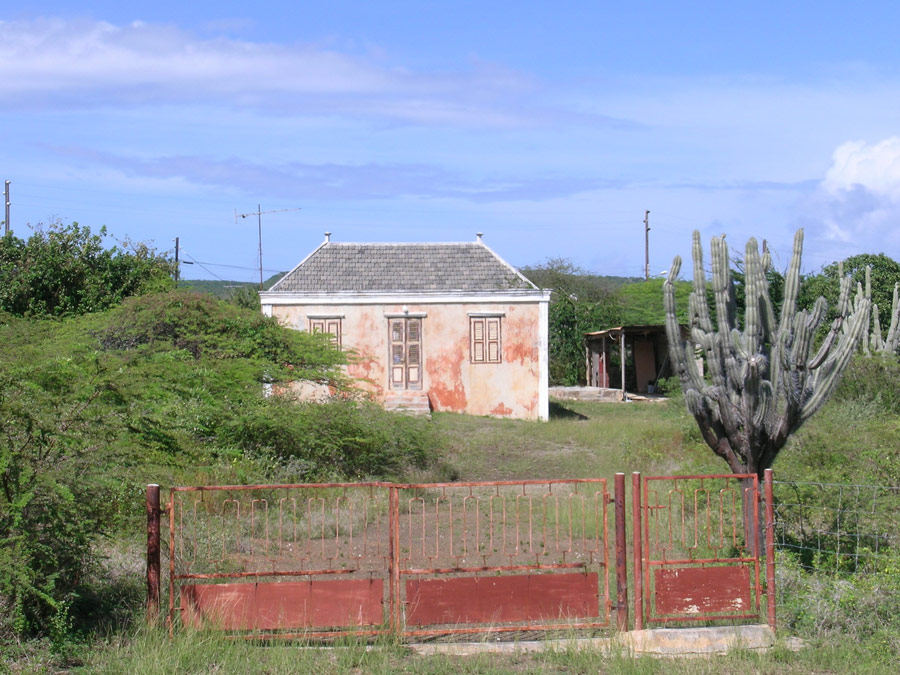
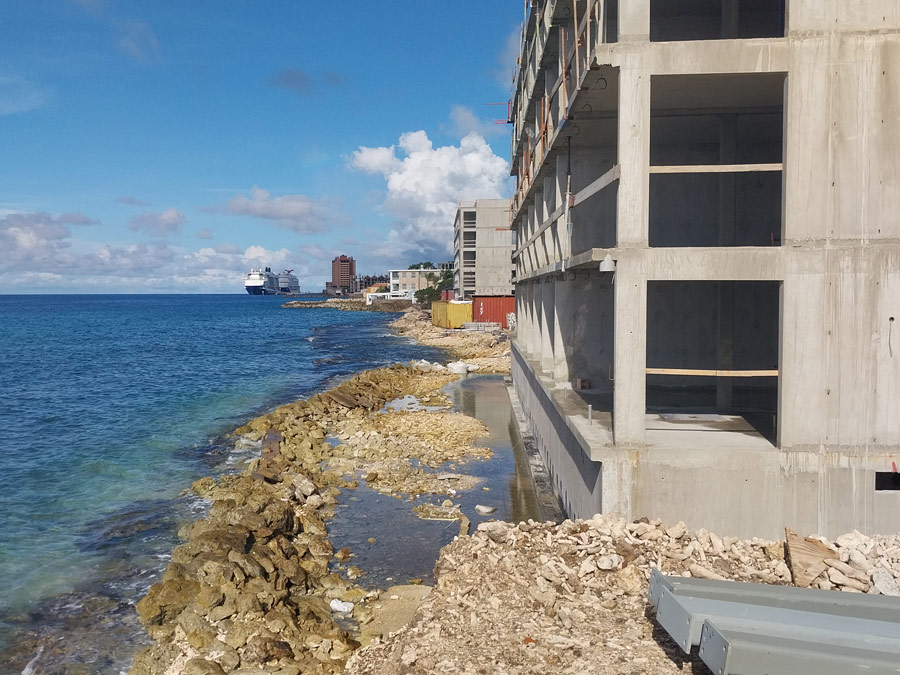
The conversation should begin with authenticity. Authenticity is not a marketing slogan used in tourism campaigns. It is what visitors and residents genuinely experience. It is our colorful architecture, our rugged coastlines, untouched beaches, natural bays, local neighborhoods, iconic viewpoints and the feeling that Curaçao still belongs to its people. These qualities cannot simply be recreated once they disappear. A coastline that has been permanently altered, a hill that has been excavated or a public beach that slowly becomes inaccessible, cannot easily be restored. Some changes are irreversible. And developers are always eager to claim our most valued hillsides and shorelines, reshaping the iconic places that once belonged to us all.
The Hidden Costs of Success
Perhaps this is why so many residents have mixed feelings about the island’s rapid transformation. The concern is not only environmental; it is social and cultural as well. Around the world, destinations that became increasingly attractive to tourists and foreign property buyers often experienced rising housing prices, pressure on infrastructure, reduced public access to recreational areas and a growing feeling among locals that they are becoming strangers in places they once called their own. Curaçao is not immune to these pressures, and acknowledging them does not make someone anti-development. It simply means recognizing that growth also comes with costs.
Protection of habitat
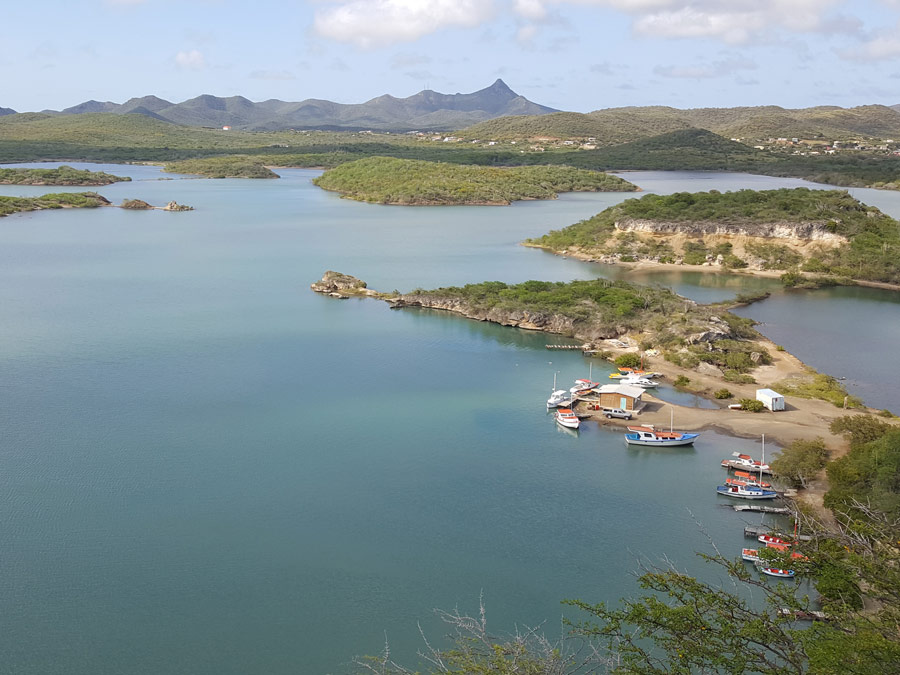
One aspect that deserves more attention is what economists increasingly call natural capital. We carefully calculate financial returns, GDP growth and investment figures, yet rarely ask what our natural landscapes are worth before they are transformed. Our reefs, mangroves, beaches, open coastlines and scenic views are not empty spaces waiting for development. They are valuable assets that support tourism, recreation, living space for flora and fauna and quality of life. Once lost, they cannot be replaced by concrete, regardless of how economically successful a project may appear in the short term.
A Path Already Walked by Others
Many destinations have already travelled this road before us. Barcelona, Mallorca, Ibiza, Aruba and several Caribbean islands embraced rapid tourism growth, only to discover years later that overcrowding, rising costs of living and overdevelopment had begun to erode the very experiences visitors came to enjoy. Today many of these destinations are introducing stricter planning policies, protecting natural areas and reconsidering large-scale development.
Curaçao has a unique opportunity to learn from these examples while much of its authentic character still remains. Let’s avoid tourists choosing other destinations because they feel surrounded by tourists everywhere and find that locals have become less welcoming. An important aspect of this discussion is ensuring that economic growth benefits everyone on the island, not only a small group of wealthy investors.
Where Is the balanced Long-Term Vision?
The larger question is therefore not about any single project. It is about vision. What is Curaçao’s long-term plan? Which coastlines should remain largely untouched? Which areas deserve permanent protection? Where should higher-density development be encouraged, and where should it be limited? How do we balance tourism, housing, recreation, conservation and quality of life? How do we limit the height and size of new buildings? Do we focus on large scale projects or locally driven smaller ones? A country without a long-term vision slowly becomes the sum of individual investment decisions. That is not strategic planning; it is simply reacting to one project at a time without understanding how the accumulation of these choices will shape the future.
Choosing Quality Over Quantity
The good news is that economic growth and conservation do not have to be opposing forces. Curaçao can choose quality over quantity. Rather than continuously expanding visitor numbers, we can focus on attracting travelers who spend more locally and appreciate authentic experiences. Boutique hotels, eco-friendly accommodations, thoughtful redevelopment within existing urban areas and stronger protection of public coastlines can generate prosperity while preserving the island’s identity and landscape. Especially when the wealth generated circulates within Curaçao’s economy, creating broader opportunities for residents and local businesses. Redefining our tourism product must include moving away from mass tourism and reducing our dependency on tourism as the dominant economic pillar. Clear guidelines, consistent enforcement and meaningful public participation can ensure that development serves both investors and the community. And let’s not forget: how visitors experience Curaçao. How do visitors experience ten-story buildings, traffic jams, waiting times, and overcrowded beaches?
The Point of No Return
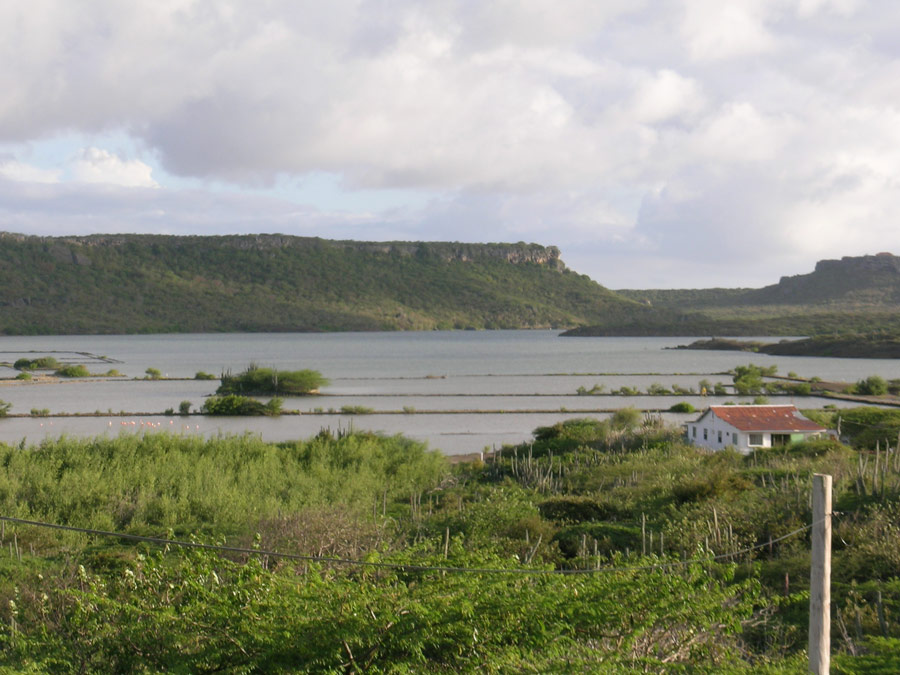
I do not pretend to have all the answers. In fact, I have more questions than conclusions. My hope is simply that we begin a broader conversation before decisions become irreversible. Many things can be changed, upgraded, or redesigned over time. But natural landscapes and local communities carry a unique value that cannot simply be recreated. Once a mountain has been carved away, a natural bay permanently altered or an area of cultural importance is lost, those places are gone forever. We should pause and reflect before approving the next big development.
Shaping the Future We Want
This article has the goal to stimulate discussion, not to oppose progress. It is written out of love for Curacao and concern for our future. This island’s greatest strength has never been the number of hotels it can build or apartments it can sell. Its greatest strength is its authenticity, its landscapes, its culture and the unique sense of place that cannot be copied anywhere else in the Caribbean.
Prosperity and preservation do not have to compete with one another. The greatest destinations in the world understand that protecting their identity and nature is also protecting their future. They understand that tourists will cherish what they see as real experiences, connecting with local culture and nature.
Perhaps the question is no longer how much more we can build, but how much of Curaçao we want future generations to recognize.